Let’s be honest for a moment. Almost every man owns a drawer full of T-shirts — yet only a handful of them actually make him look good. You’ve probably seen it yourself: two men wearing almost identical tees, but one looks like an effortless T-shirt effect that makes him look sharp and confident, while the other looks unfinished or sloppy. The difference isn’t luck. It’s not even money. It’s knowing how to wear a T-shirt the right way.
The T-shirt has quietly become the backbone of modern men’s style. It shows up everywhere — on casual Fridays at work, weekend coffee runs, travel days, date nights, and even under tailored blazers. When done right, it makes you look relaxed, masculine, and intentional. When done wrong, it can make you look younger than you are, less put-together, or simply forgettable. The good news? Looking great in a T-shirt is a skill any man can master with a few smart principles.
This guide breaks down exactly how to do that — step by step — so that no matter your age, body type, or lifestyle, you can turn a simple T-shirt into one of the strongest tools in your wardrobe.
1. The Foundation: Know Your Body Type (Before Anything Else)
A T-shirt doesn’t hide your body — it reveals it. That’s why understanding your body type is the first and most important step. The right tee enhances your proportions; the wrong one exaggerates what you’d rather downplay.
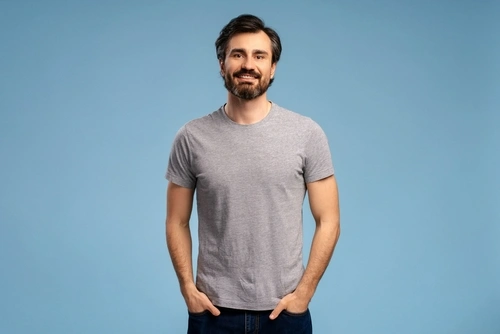
Slim or Lean Build
If you’re naturally lean, your goal is to avoid looking narrow or fragile.
What works best:
-
Crew neck T-shirts (they visually widen the upper body)
-
Midweight fabrics that hold structure
-
Slightly tailored, not skin-tight fits
Avoid:
-
Deep V-necks
-
Ultra-thin fabrics that cling
-
Oversized tees that drown your frame

Athletic or Muscular Build
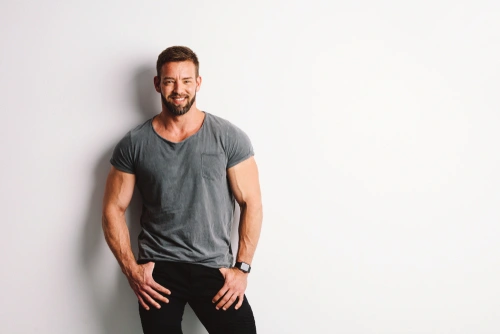
This build shines in a well-fitted tee — but only if the fit is intentional.

What works best:
-
Tapered cuts that follow the torso
-
Sleeves ending mid-bicep
-
Stretch cotton blends for comfort
Avoid:
-
Boxy or oversized cuts
-
Super tight tees that strain across the chest
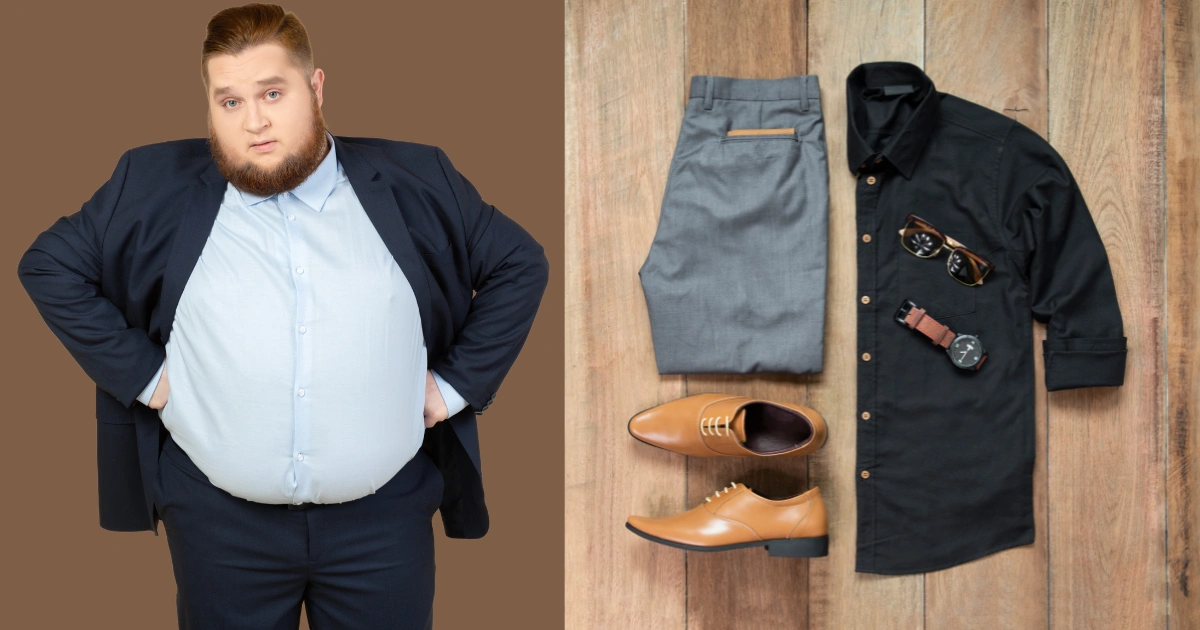
Broad or Heavier Build
The goal here is clean lines, not compression.
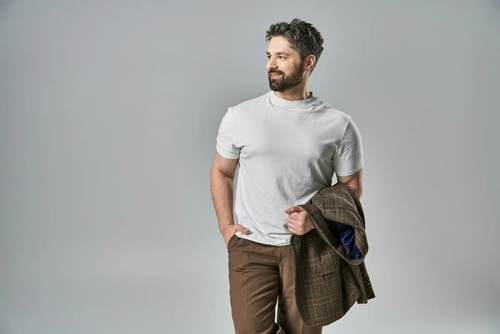
What works best:
-
Straight or relaxed fits with structure
-
Slightly heavier fabrics
-
Solid, darker colors
Avoid:
-
Thin, clingy materials
-
Tight midsections
-
Large graphics across the stomach
Style rule to remember: A good T-shirt skims the body — it never clings or balloons.
2. Fit Is the Real Luxury (More Than Any Brand)
You don’t need designer labels to look good. You need fit.
A perfectly fitted T-shirt instantly elevates even the most basic outfit. Tailors and stylists agree: fit matters more than fabric, and fabric matters more than brand.
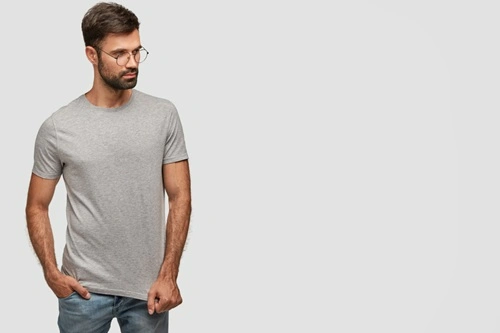
The Perfect Fit Checklist
Before leaving the house, your T-shirt should:
-
Sit close to the body without pulling
-
End around mid-fly level
-
Have sleeves that gently hug the arms
-
Lie flat across the chest
-
Allow free movement without excess fabric
Quick test:
Raise your arms. If your stomach shows too much or the shirt bunches at the shoulders, the fit is off.
3. Necklines Matter More Than You Think
The neckline frames your face and upper body. It’s a subtle detail that can dramatically change how a T-shirt looks on you.
Crew Neck (Round Neck)
The most classic and versatile option.
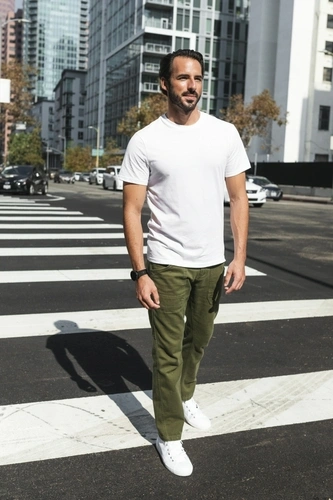
Best for:
-
Slim or long necks
-
Narrow shoulders
-
Everyday wear
It creates a clean, masculine line and works across all age groups.
V-Neck
Slightly dressier when done correctly.
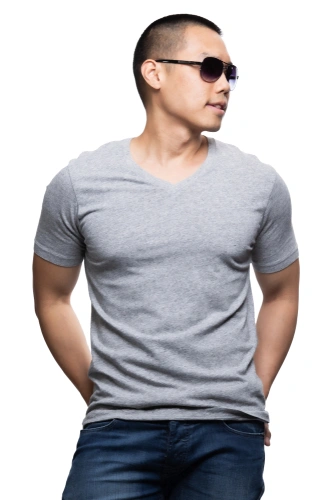
Best for:
-
Athletic builds
-
Shorter necks
-
Layering under jackets
Rule: Keep the V shallow. Deep V-necks feel dated and distracting.
Scoop Neck (Use Sparingly)
More fashion-forward and less universal. Best left to casual or streetwear looks.
4. Fabric Quality: Where Good Tees Separate From Bad Ones
A T-shirt can look great in the mirror and still fail after three washes. Fabric quality determines longevity, drape, and how polished the shirt looks over time.
Best T-Shirt Fabrics Today
-
Combed Cotton: Smooth, soft, and reliable
-
Pima or Supima Cotton: Premium, durable, color-retaining
-
Cotton-Elastane Blends: Stretch, comfort, shape retention
-
Modal or Bamboo Blends: Breathable and moisture-wicking
Fabric Weight Guide
-
Lightweight: Breathable but can look cheap
-
Midweight: Best all-around option
-
Heavyweight: Structured and premium, ideal for layering
5. Choose Colors That Work For You
Color has a direct impact on how healthy, confident, and put-together you appear.
Universal Winners
-
Navy
-
Charcoal
-
Olive
-
Burgundy
-
Off-white
Based on Skin Tone
-
Fair skin: Navy, forest green, charcoal
-
Medium/olive: Rust, teal, cream
-
Darker skin: White, cobalt, mustard, jewel tones
If you’re unsure, neutrals are always safe — and timeless.
6. How to Style a T-Shirt for Real Life
The same T-shirt can work in multiple situations — it’s all about context.
Casual Everyday
-
Fitted crew neck tee
-
Slim or straight jeans
-
Clean sneakers
Upgrade tip: Roll the sleeves once for subtle structure.
Smart Casual
-
Neutral tee
-
Tailored trousers or dark denim
-
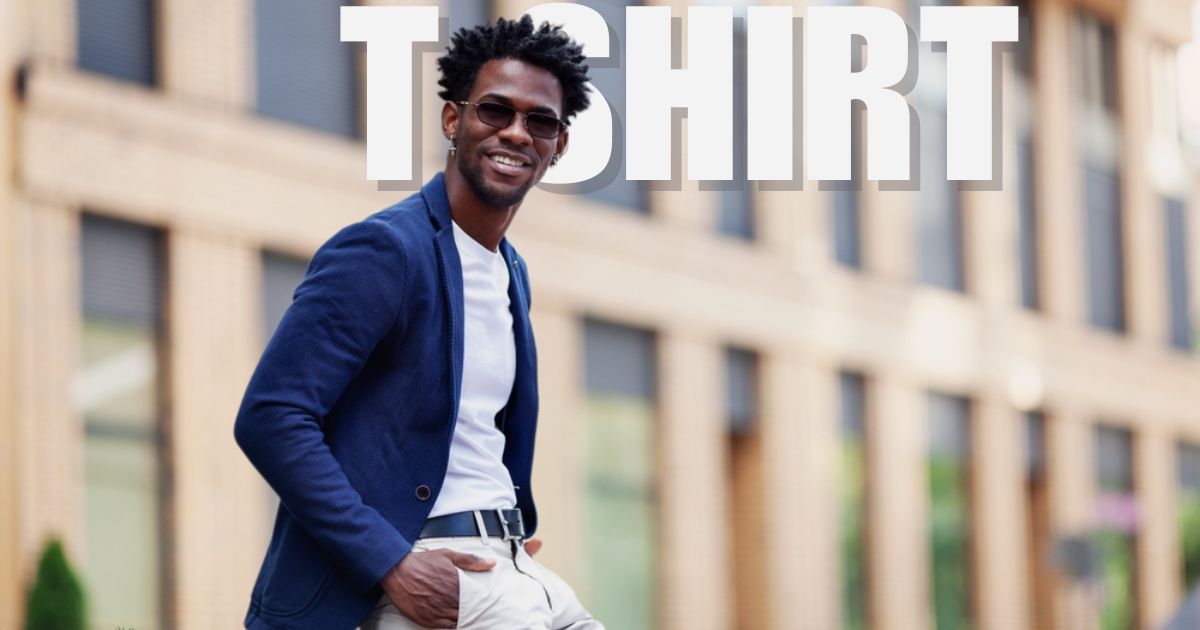
Unstructured blazer
-
Leather sneakers or loafers
Perfect for casual offices, dinners, or dates.
Summer Minimalist
-
Lightweight tee
-
Tailored shorts
-
Loafers or minimalist sneakers
-
Sunglasses + watch
Avoid oversized shorts — proportions matter.
Night Out
-
Dark fitted tee
-
Slim black or dark jeans
-
Chelsea boots or sleek sneakers
-
Leather or suede jacket
Effortless, masculine, and modern.
7. Plain vs. Graphic T-Shirts
Not all T-shirts send the same message. Choosing between plain and graphic styles depends on the impression you want to make and where you’re wearing them.
Plain Tees
Timeless, versatile, and effortlessly mature. Solid-colored T-shirts are the backbone of a strong wardrobe because they pair easily with everything from jeans to tailored trousers and layered outfits.
Why they work:
-
Easy to dress up or down
-
Look cleaner and more refined
-
Never go out of style
-
Ideal for layering under jackets or overshirts
Every man should own several high-quality plain tees in neutral colors.
Graphic Tees
Graphic T-shirts can show personality, interests, or a bit of edge — but they require more care to look stylish rather than sloppy.
If you wear them:
-
Keep designs minimal – Small prints or subtle graphics look more modern than large, busy artwork.
-
Avoid oversized logos – Loud branding can make outfits feel juvenile or dated.
-
Maintain a sharp fit – Even the best design looks careless on a baggy or stretched shirt.
-
Choose mature color combinations – Neutral backgrounds with simple designs are easier to style.
The key is balance: a graphic tee should add character, not dominate your entire outfit. Subtle personality almost always looks more confident than loud branding.
Power Up for Less: LiTime Clearance Extravaganza!

Get ready to supercharge your gear without draining your wallet! LiTime is rolling out massive clearance deals on top-rated lithium batteries and accessories that deliver reliable power for RVs, marine rigs, off-grid living, and backup systems — all at heavily discounted prices. Don’t miss these limited-time offers — explore the LiTime clearance sale today and plug into performance that lasts!
8. Grooming and Posture Complete the Look
A well-fitted T-shirt highlights you — which means grooming and body language matter just as much as the clothes themselves. Simple, clean styling looks best when the person wearing it looks put-together too.
Even the best T-shirt won’t make an impact if basic grooming is overlooked.
Make sure you:
-
Maintain a clean, intentional haircut
You don’t need a complicated style, just something neat and regularly trimmed. Overgrown or unshaped hair can make even a sharp outfit look careless. -
Keep facial hair purposeful
Whether you’re clean-shaven or bearded, keep edges tidy. Defined lines and regular maintenance make your overall appearance look more deliberate. -
Stand with your shoulders back
Posture changes how clothes drape on your body. Standing upright broadens your chest, improves the fit of your shirt, and projects quiet confidence. -
Wear wrinkle-free, lint-free tees
A quick once-over with a steamer or lint roller can instantly upgrade your look. Small fabric details are more noticeable when you’re wearing simple clothing.
When your grooming is sharp and your posture is strong, a basic T-shirt stops looking “basic” and starts looking effortlessly confident.
9. Common T-Shirt Mistakes to Avoid
Even a simple T-shirt can ruin an outfit if a few key details are off. Watch out for these common problems:
-
Overly long hems
When a T-shirt hangs too far past your hips, it throws off your proportions and can make your legs look shorter. The ideal length hits around mid-fly — long enough to cover your waistband, but not so long it looks like a tunic. -
Stretched collars
A loose, sagging neckline instantly makes a shirt look old and worn out, even if it’s clean. The collar should sit flat against your chest and bounce back into shape after washing. -
See-through white tees
Thin white shirts can reveal undershirts, skin tone variations, or chest hair, which often looks sloppy rather than stylish. Choose midweight or thicker cotton for a cleaner, more polished appearance. -
Oversized sleeves
Sleeves that hang wide or fall close to the elbow remove structure from your upper body. A better sleeve should end around mid-bicep and lightly follow the shape of your arm. -
Cheap fabrics that twist after washing
Low-quality construction can cause side seams to spiral and the shirt to lose its shape. This makes even a new tee look distorted. Quality fabric and proper stitching help a T-shirt keep its structure over time.
Bottom line: If a T-shirt loses its fit, collar shape, or structure after a few washes, it wasn’t a smart investment to begin with.
10. Build a Smart T-Shirt Rotation
You don’t need a drawer overflowing with T-shirts — you need a small lineup that covers different outfits, seasons, and occasions. A focused rotation ensures everything you own gets worn and pairs easily with the rest of your wardrobe.
Essential Collection
-
White or Off-White Crew Neck
The ultimate layering piece. Works under jackets, overshirts, or on its own with jeans or chinos. Off-white can look softer and more refined than bright optic white. -
Navy Crew Neck
A versatile alternative to black that pairs well with denim, khaki, grey, and even tailored trousers. Great for smart-casual outfits. -
Charcoal or Black Tee
Ideal for evening looks or sharper outfits. Instantly adds a sleek, streamlined feel, especially with dark jeans or leather jackets. -
Olive or Earth-Tone Tee
Adds variety without being loud. Earth tones feel mature and pair well with neutral wardrobes built around denim, tan, navy, and white. -
One Shallow V-Neck
Useful for layering under blazers or lightweight jackets when you want a slightly more open neckline without looking overly casual. -
One Heavyweight Tee
Thicker fabric provides structure and drape, making it perfect for cooler weather or outfits where you want the shirt to hold its shape and look more premium.
With just these six options, you can build dozens of outfits that work for everyday wear, travel, casual offices, and relaxed social settings — without overthinking what to put on.
11. Care Tips to Keep Tees Looking New
-
Wash cold
-
Avoid high heat
-
Turn inside out
-
Fold instead of hang
-
Skip excessive fabric softener
Good care doubles lifespan.
The Golden Rule of Effortless T-Shirt Effect
If your T-shirt wouldn’t look good under a blazer, it probably doesn’t fit well enough.
This rule works because a blazer is structured and tailored. If your T-shirt is too baggy, too thin, too long, or poorly shaped, the jacket will expose every flaw instead of hiding it. A well-fitted tee, on the other hand, complements the clean lines of a blazer and creates a sharp, modern silhouette.
Think of the blazer as a “style test.” If the T-shirt passes, it means the proportions, neckline, sleeve length, and fabric weight are all working in your favor.
Here’s what passes the blazer test:
✔ A structured or midweight fabric that doesn’t cling
✔ Sleeves that sit neatly on the arms (no flaring out)
✔ A neckline that lies flat and holds its shape
✔ A length that doesn’t bunch up or hang below the jacket
✔ A clean, solid color without loud graphics
And here’s what fails the test:
✖ Thin, see-through material
✖ Oversized or boxy fits
✖ Longline hems that stick out below the blazer
✖ Stretched or sagging collars
✖ Bold logos or large prints
When a T-shirt works under a blazer, it means it’s balanced, tailored, and intentional — not just something you threw on. Even if you never actually wear it with a jacket, using this rule as a guide ensures your T-shirts always look refined rather than sloppy.
In short, the blazer test is an easy mental shortcut: if it’s sharp enough to dress up, it’s definitely sharp enough to wear casually.
Conclusion
A T-shirt may be the simplest item in your wardrobe, but wearing one well sends a powerful message. It tells people you pay attention, that you respect yourself, and that you understand how small details create big impact. When fit, fabric, and styling align, a T-shirt becomes more than casual wear — it becomes a signature.
You’re not just putting on a T-shirt. You’re choosing how you show up in the world. As you master the effortless T-shirt effect basics, always invest in quality and let simplicity work in your favor.
Disclaimer
The information in this article is provided for general style and educational purposes. Fashion advice, fit guidelines, and wardrobe suggestions are based on widely accepted menswear principles and current style standards as of 2026. However, personal style, body shape, comfort preferences, and cultural norms vary, so not every recommendation may suit every individual.
This article is not a substitute for professional styling, tailoring, or personal shopping services. Any brand, fabric, or product references are for illustrative purposes only and do not constitute endorsements. Readers are encouraged to adapt the guidance to their own lifestyle, needs, and preferences.
Sources
The following reputable publications were referenced to ensure the style advice aligns with established menswear expertise and current trends:
-
GQ – Men’s Style & Fashion
https://www.gq.com/style -
Esquire – Men’s Fashion and Grooming
https://www.esquire.com/style/mens-fashion/ -
Men’s Health – Men’s Style & Grooming Advice
https://www.menshealth.com/style/